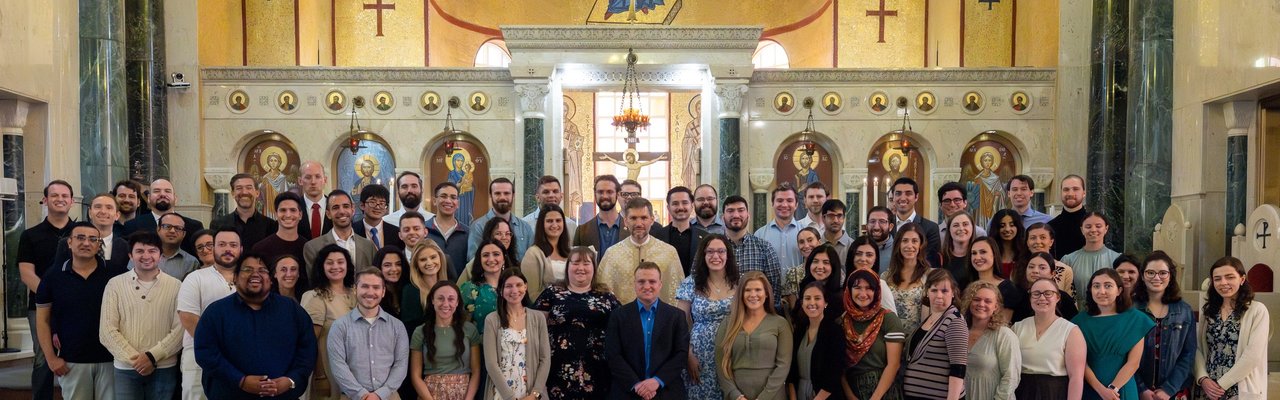

As a mental health counselor and active ministry leader in Minneapolis, Deanna Klein has long been passionate about creating spaces where people feel seen, supported, and spiritually grounded. That same passion shaped her involvement in the Connect Conference, a pan-Orthodox gathering for young adults seeking deeper faith and authentic community. Having first attended as a participant and later served as leadership chair when Connect came to Minneapolis, Klein reflects on the need for intentional formation beyond college, the beauty of pan-Orthodox collaboration, and why creating welcoming, well-rooted spaces for young adults is essential to the life of the Church today.
OYM: Could you share a little about your background — where you grew up, what you’re doing now, and your history in the Orthodox Church?
Deanna: I grew up in Rochester, Minnesota, and went to college in Minneapolis. After that, I spent some time living in Chicago, where I earned my master’s degree in counseling. I now work as a mental health counselor and currently serve as the Director of Clinical Services at a clinic in Minneapolis.
Throughout my life, I’ve been involved in a variety of church ministries. At my local parish, I help with chanting and with GOYA, our high school youth group. I’ve also been involved with Connect and serve as a facilitator for mental health trainings within the Orthodox Church through the Peace of Mind Program, which operates under the Assembly of Bishops. Over the years, I’ve had the opportunity to serve in different ministries, both locally and nationally.
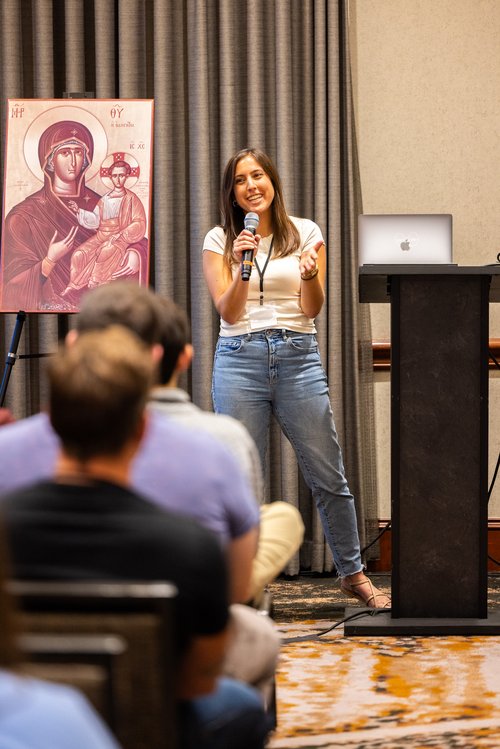
OYM: For this article, we’re focusing on your involvement with the Connect Conference. Could you tell us what Connect is and what your role has been?
Deanna: Connect is a pan-Orthodox conference for young adults, typically ages 21 to 39. It brings together Orthodox young adults from across the country for fellowship, learning through speakers, and sometimes service opportunities.
In 2023, we hosted Connect in Minneapolis, and I served as the leadership chair for that conference. I coordinated our local planning committee and helped oversee the organization of the event.
Minneapolis was a great fit because we have a strong pan-Orthodox community here — Greeks, Arabs, Russians — we all collaborate regularly in ministry and social life. Connect is about bringing together people from different jurisdictions, and Minneapolis naturally reflects that spirit of unity.
OYM: How did you first hear about Connect, and what drew you in?
Deanna: A friend of mine heard about it through social media and invited me to attend. At the time, I was transitioning from Chicago back to Minneapolis, and I was eager for opportunities to connect within the Orthodox community. I’ve always loved conferences and retreats where you can learn and meet new people.
My first Connect was in 2019, and I attended every year after that. What stood out to me was the atmosphere. It was large enough to feel dynamic, but small enough to remain intimate. People were genuinely open, welcoming, and eager to build relationships. That hasn’t always been my experience at other events, so it felt refreshing and meaningful.
After attending for several years, Fr. Paul Lundberg, who leads Connect, began looking for future host cities. Given Minneapolis’ strong pan-Orthodox presence, it made sense to bring it here. He reached out to me and my friend Jamie to help lead the local effort, and we agreed to co-chair the conference when it came to Minneapolis.
OYM: Was there a specific moment that confirmed for you that this was something you wanted to continue being part of—and eventually serve through?
Deanna: Yes. One moment that stands out was during my first or second Connect. I sat down with a group of people I barely knew, and our conversation quickly went deep. We reflected on the talks from earlier in the day and shared personal insights and struggles. There was a level of openness and sincerity that surprised me.
It was powerful to experience that kind of depth with people who were essentially strangers. Even if we didn’t all stay closely connected afterward, the conversation itself was meaningful and formative. I left feeling filled up—spiritually and relationally. That was when I knew Connect was something I wanted to keep being part of, and eventually serve more intentionally.
OYM: Do you think Connect addresses a specific need within the Orthodox community? If so, how?
Deanna: Yes, I do. There aren’t always many opportunities for young adults to intentionally learn, reflect, and deepen their faith. Connect creates space for that through its talks and small-group reflection sessions. That combination is really powerful.
Another unique aspect is its pan-Orthodox nature. There aren’t many conferences that bring together young adults from different jurisdictions while remaining clearly faith-focused and still offering meaningful social connection. Connect strikes a balance between spiritual depth and fellowship that I haven’t seen replicated in many other ministries.
For young adults who live in smaller towns or rural areas, this is especially important. I’ve met many attendees who don’t know other Orthodox young adults where they live. For them, Connect is more than a conference — it’s reassurance that they’re not alone in their faith journey. It gives them a sense of belonging and encouragement at a formative stage of life.
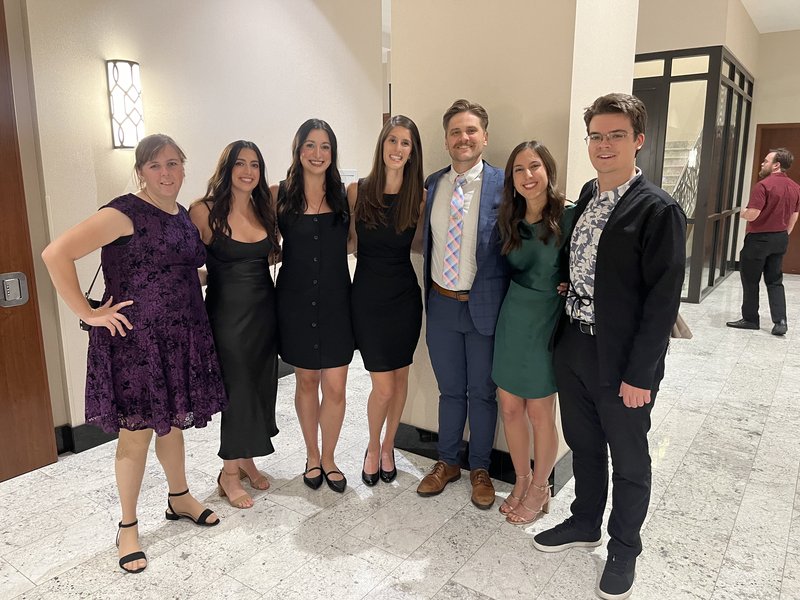
OYM: What does your involvement typically look like—whether organizing a conference or participating in it?
Deanna: Connect continues to host events throughout the year, such as book clubs, discussion groups, and other gatherings. When I served as leadership chair for Connect Minneapolis, however, it was a much more intensive role.
Connect moves to a different city each year — it began in Atlanta and has since been hosted in various locations. When we were preparing to host it in Minneapolis, my friend Jamie and I worked on planning for about a year and a half.
We started by building a committee. We intentionally reached out to people across different parishes and jurisdictions to ensure broad representation and perspective. Once the committee was formed, we began shaping the conference: choosing a theme, selecting speakers, securing a venue, planning social and service events, and thinking creatively about how to showcase Minneapolis—its ministries, charities, and Orthodox community.
As the conference approached, the role shifted into detailed execution. There are countless logistics involved — many that attendees never see. We met at least monthly as a committee, sent countless emails, and worked through every detail. It was a significant commitment, but it was also incredibly rewarding.
OYM: Can you share an example of something most people might not think about when planning a conference?
Deanna: One example would be negotiating the hotel contract — securing a room block, planning meals, coordinating menus. Jamie handled much of that operational side.
There were also off-site logistics: arranging transportation, organizing food, planning activities and games, and coordinating volunteers. We had a committee member dedicated solely to speaker coordination — managing travel, communicating the theme, and ensuring their talks aligned with the overall vision.
Another team member oversaw marketing and social media to promote the conference nationally.
All of these moving parts had to come together seamlessly. When you attend as a participant, you see the final product — but behind it is months of coordination, collaboration, and careful planning.
OYM: Planning a conference involves a lot of logistics. How did you find joy in that process?
Deanna: For me, it was knowing how meaningful the ministry was. I loved Connect as an attendee, so when I had the opportunity to help lead it, it felt personal. I wanted it to be successful and life-giving for everyone who came.
When you care deeply about something, even the logistical work feels purposeful. The details matter because they shape the experience. When a conference runs smoothly—when people know where to be, feel welcomed, and can focus on learning and connecting — that doesn’t happen by accident. Being part of making that possible was incredibly fulfilling.
OYM: What were some challenges you faced during your involvement with Connect, and how did you navigate them?
Deanna: One of the biggest challenges was balancing everything. Most of us were volunteering while working full-time jobs. Coordinating schedules, making decisions as a team, and staying on track over a year and a half required commitment and flexibility.
There are also moments of uncertainty — wondering if people will register, if the theme will resonate, or if all the moving parts will come together. What helped was having a strong committee. We trusted each other, divided responsibilities clearly, and kept coming back to the purpose of the conference. Remembering the “why” behind the work made the challenges manageable.
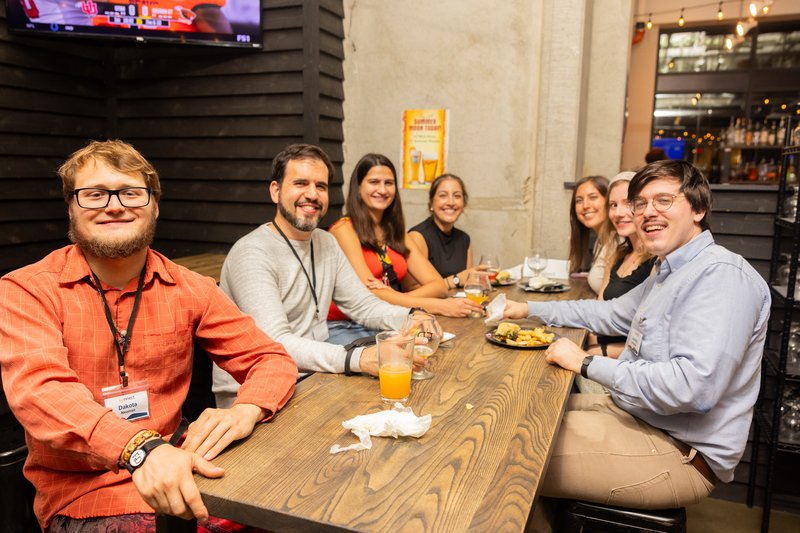
OYM: What advice would you give to a young adult who wants to start or get involved in a ministry rooted in the Orthodox faith?
Deanna: First, don’t underestimate your gifts. Many young adults have professional skills — whether in counseling, marketing, administration, music, technology — that are incredibly valuable to the Church.
Second, be proactive. Sometimes opportunities won’t be handed to you. Reach out to your priest. Ask how you can help. If you see a need, offer a solution. Do some research and bring concrete ideas. Even something as simple as helping a parish improve its social media presence or communication can make a real impact.
And finally, stay grounded spiritually. Ministry flows from your relationship with Christ. If that foundation is strong, your service will be healthier and more sustainable.
OYM: Many young adults feel unsure of their place in the Church. What would you say to someone who feels lost but wants to serve?
Deanna: I would say you’re not alone. Many people go through that stage, especially when transitioning out of college and into adulthood. It can feel like the structures that once supported you — camp, campus ministry, youth group— aren’t there in the same way.
Start small. Get involved in one thing. Introduce yourself to someone new at church. Attend a conference or retreat. Often, clarity comes through action. As you begin serving, you start to see where your passions and gifts align.
The Church needs young adults — not just as future leaders, but as present contributors. Your presence, ideas, and talents matter right now.
OYM: Any final thoughts you’d like to share with our readers?
Deanna: I would just encourage young adults to seek out spaces where they can grow in faith and community. Connect was that space for me. It reminded me that Orthodoxy is not something we live alone — it’s something we live together.
When young adults gather intentionally around Christ, meaningful friendships form, faith deepens, and leadership grows naturally. That’s what I’ve seen through Connect, and that’s why I continue to believe in its mission.
Sign in to your What's Your Ministry account. Having trouble? Reach out to info@theoym.org .
To continue taking this course, please purchase access. If you believe this is an error or need help, contact info@theoym.org .
You don't currently have access to this course. To request access, click the button below or email us at info@theoym.org with the subject line "Request Access" and we'll get you set up.
Request Access